Understanding How ADHD Affects Love, Marriage, and Everyday Relationships
Relationships thrive on communication, trust, emotional connection, and mutual understanding. However, when one or both partners have Attention-Deficit/Hyperactivity Disorder (ADHD), maintaining these elements can sometimes become more challenging.
While ADHD is often associated with childhood, many people continue to experience symptoms well into adulthood. In fact, many adults remain undiagnosed for years, often wondering why they struggle with organisation, communication, emotional regulation, or maintaining relationship harmony.
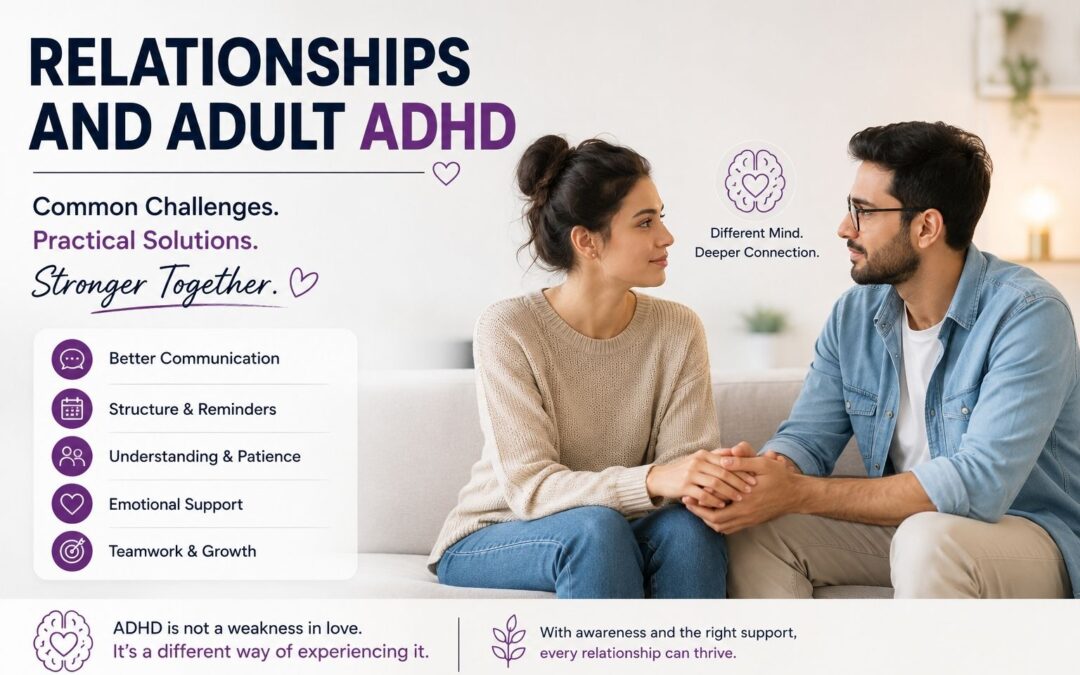
The good news is that ADHD does not prevent healthy, fulfilling relationships. With awareness, proper treatment, and practical strategies, couples can build stronger connections and overcome many common challenges.
At Hope and Care Clinic, Barasat, psychiatrist Dr. Sanjoy Roy helps adults with ADHD understand how the condition affects their personal and professional lives and develop effective strategies for improving relationships and overall well-being.

What Is Adult ADHD?
Adult ADHD is a neurodevelopmental condition that affects attention, impulse control, emotional regulation, and executive functioning.
While some adults display hyperactivity, many experience symptoms such as:
- Difficulty concentrating
- Forgetfulness
- Disorganization
- Poor time management
- Impulsive behavior
- Emotional sensitivity
- Difficulty completing tasks
These symptoms can influence many aspects of life, including romantic relationships, marriage, friendships, and family dynamics.
How ADHD Can Affect Relationships
Many relationship difficulties associated with ADHD are not caused by a lack of love or commitment. Instead, they often stem from symptoms that are misunderstood by both partners.
Without awareness, ADHD-related behaviors may be mistaken for carelessness, selfishness, laziness, or lack of interest.
Understanding the connection between ADHD and relationship challenges is often the first step toward improvement.
Common Relationship Challenges in Adults with ADHD
1. Forgetfulness and Missed Responsibilities
One of the most common complaints from partners involves forgetfulness.
An individual with ADHD may unintentionally:
- Forget important dates
- Miss appointments
- Leave household tasks unfinished
- Forget promises or commitments
Over time, these incidents may cause frustration and feelings of being undervalued.
However, these behaviours are usually linked to executive functioning difficulties rather than a lack of concern.
2. Communication Difficulties
Effective communication is essential for healthy relationships.
Adults with ADHD may struggle with:
- Interrupting conversations
- Losing focus during discussions
- Missing important details
- Difficulty listening attentively
- Jumping between topics
These patterns can sometimes make partners feel unheard or misunderstood.
3. Emotional Sensitivity
Many adults with ADHD experience intense emotional responses.
They may:
- React strongly to criticism
- Feel rejected easily
- Become overwhelmed during conflicts
- Struggle to regulate emotions
Some individuals experience what is often called Rejection Sensitive Dysphoria (RSD), where perceived criticism or rejection feels especially painful.
This can make relationship conflicts more emotionally challenging.
4. Unequal Distribution of Responsibilities
In many relationships, one partner may begin taking on additional responsibilities to compensate for ADHD-related difficulties.
This can include:
- Managing finances
- Scheduling appointments
- Organizing household tasks
- Planning family activities
Over time, this imbalance may create resentment and emotional distance if not addressed openly.
5. Impulsivity and Conflict
Impulsivity can affect relationships in various ways.
Examples include:
- Speaking without thinking
- Making impulsive purchases
- Acting on emotions quickly
- Interrupting during arguments
These behaviours can sometimes escalate conflicts and create misunderstandings.
6. Time Management Problems
Adults with ADHD often struggle with “time blindness,” making it difficult to estimate how long tasks will take.
As a result, they may:
- Arrive late
- Miss deadlines
- Keep partners waiting
- Forget scheduled plans
Repeated incidents can affect trust and reliability within relationships.
The Positive Side of ADHD in Relationships
While ADHD can create challenges, it can also bring unique strengths that enrich relationships.
Many adults with ADHD are:
Creative and Spontaneous
They often bring excitement, creativity, and new experiences into relationships.
Passionate and Enthusiastic
People with ADHD may express affection, excitement, and emotional warmth intensely.
Adaptable and Resilient
Their ability to think creatively and adapt to changing situations can be a valuable asset during difficult times.
Energetic and Fun-Loving
Many partners appreciate the sense of adventure and spontaneity that individuals with ADHD bring to relationships.
Recognizing these strengths can help couples maintain a balanced perspective.
Practical Solutions for ADHD Relationship Challenges
The key to a healthy relationship is not eliminating ADHD but learning how to manage its impact effectively.
1. Increase Awareness and Understanding
Education is one of the most powerful tools for improving relationships.
Both partners should learn:
- How ADHD affects behavior
- Common ADHD symptoms
- Emotional challenges associated with ADHD
Understanding that certain behaviors are symptoms—not intentional actions—can reduce blame and frustration.
2. Improve Communication Strategies
Healthy communication requires structure and patience.
Helpful techniques include:
- Maintaining eye contact during conversations
- Reducing distractions
- Using clear and direct language
- Asking for clarification when needed
- Scheduling important discussions at calm times
Small adjustments can significantly improve mutual understanding.
3. Use External Reminders and Systems
Technology can be extremely helpful for adults with ADHD.
Useful tools include:
- Digital calendars
- Smartphone reminders
- Shared family schedules
- Task management apps
These systems reduce forgetfulness and improve reliability.
4. Divide Responsibilities Clearly
Couples benefit from clearly discussing responsibilities rather than making assumptions.
Creating written task lists can help ensure:
- Fair workload distribution
- Greater accountability
- Reduced misunderstandings
When expectations are clear, conflict often decreases.
5. Develop Emotional Regulation Skills
Managing emotional reactions is essential for relationship success.
Helpful strategies include:
- Mindfulness practices
- Deep breathing exercises
- Physical activity
- Cognitive Behavioral Therapy (CBT)
These techniques help individuals respond more calmly during stressful situations.
6. Prioritise Quality Time
Busy schedules and ADHD-related distractions can sometimes reduce emotional connection.
Couples should intentionally create opportunities for:
- Meaningful conversations
- Shared hobbies
- Date nights
- Family activities
Consistent quality time strengthens emotional bonds.
The Role of Professional Treatment
When ADHD symptoms significantly affect relationships, professional support can be highly beneficial.
Treatment may include:
Medication Management
For many adults, medication can improve:
- Focus
- Attention
- Organization
- Impulse control
Cognitive Behavioural Therapy (CBT)
CBT helps individuals:
- Identify problematic behaviors
- Develop healthier coping strategies
- Improve communication skills
- Strengthen emotional regulation
Relationship Counseling
Couples counseling can help partners understand ADHD-related challenges and develop effective solutions together.
When Should You Seek Professional Help?
Consider consulting a mental health professional if:
- Relationship conflicts are becoming frequent
- Communication feels increasingly difficult
- ADHD symptoms interfere with daily life
- Emotional stress is affecting the relationship
- One or both partners feel overwhelmed
Early intervention can prevent small problems from becoming larger issues.
Adult ADHD Treatment at Hope and Care Clinic, Barasat
At Hope and Care Clinic, Barasat, psychiatrist Dr. Sanjoy Roy provides comprehensive assessment and treatment for adults experiencing ADHD and related challenges.
Services include:
- Adult ADHD evaluation
- Psychiatric consultation
- Medication management
- Stress and anxiety treatment
- Counseling and behavioral strategies
- Relationship-focused support
Every treatment plan is personalised to help individuals improve focus, emotional well-being, and relationship satisfaction.
Final Thoughts
Adult ADHD can influence many aspects of a relationship, from communication and organisation to emotional connection and conflict resolution. However, ADHD does not define a person’s ability to love, commit, or maintain healthy relationships.
With greater awareness, practical strategies, professional support, and mutual understanding, couples can successfully navigate ADHD-related challenges and build strong, fulfilling partnerships.
If ADHD symptoms are affecting your relationship, seeking guidance from a qualified psychiatrist can be an important step toward improved communication, stronger connections, and a healthier future together.
At Hope and Care Clinic, Barasat, Dr. Sanjoy Roy is committed to helping individuals and families understand ADHD and develop effective strategies for long-term well-being and relationship success.